
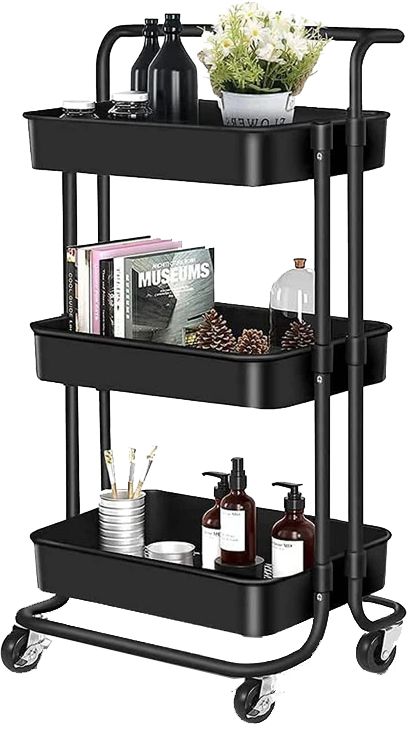
The storage shelf industry is undergoing a transformation, with emerging trends that are reshaping consumer preferences, manufacturing processes, and the way we approach organization. Whether for personal use in homes, or larger scale storage solutions in commercial and industrial settings, these trends reflect a dynamic response to changing consumer demands, technological advancements, and sustainability concerns. Here's a closer look at the top trends influencing the storage shelf market.
1. Sustainability and Eco-Friendly Materials
As environmental concerns continue to rise, sustainability has become a key focus for consumers and manufacturers alike. The Folding Wagon industry is no exception, with a growing preference for eco-friendly materials such as bamboo, recycled wood, and metal. Manufacturers are increasingly investing in sustainable production methods to reduce their carbon footprint, from using non-toxic paints and finishes to adopting green supply chains. Consumers are also looking for durable products that are not only functional but also eco-conscious, leading to an increased demand for items made from renewable resources.
Additionally, modular and versatile storage solutions are gaining traction as they promote longevity and reduce the need for replacement. These types of products allow users to reconfigure their shelves as their needs change, ultimately contributing to a reduction in waste.
2. Smart Storage Solutions
The rise of smart homes and the Internet of Things (IoT) has introduced a new era of storage solutions. Today, smart storage shelves are being designed with integrated technology to provide added convenience and functionality. These shelves can feature built-in lighting, motion sensors, or even smart labeling systems that help users keep track of their belongings.
In commercial spaces, the integration of RFID (Radio Frequency Identification) technology is becoming common. This allows businesses to track inventory or products stored on shelves more efficiently. Moreover, some innovative companies are developing shelves that can automatically adjust their height, or even fold and unfold at the touch of a button, creating truly futuristic storage solutions.
3. Minimalism and Aesthetic Design
Minimalism continues to influence interior design, and the storage shelf industry is no stranger to this trend. Modern consumers are seeking sleek, streamlined storage solutions that complement minimalist aesthetics. Simple, open-shelving designs in neutral tones and high-quality finishes have become popular, especially in smaller living spaces where maximizing functionality without compromising on style is key.
This trend is pushing manufacturers to prioritize design elements that are both practical and visually appealing. Modular shelving systems that can be customized to fit any space are also becoming more common, allowing consumers to achieve a clutter-free environment without sacrificing storage capacity.
4. Customization and Modular Solutions
Modular shelving systems are a hot commodity, allowing users to adapt their storage setups according to their needs. These systems offer flexibility, making them ideal for a wide range of spaces from small apartments to large warehouses. The demand for customizable storage solutions is particularly high in urban areas where space is limited, and individuals need versatile, space-saving options.
Customers are increasingly drawn to brands that allow for easy customization, whether it’s through adjustable shelves, customizable color schemes, or interchangeable components. The ability to create a personalized storage solution tailored to individual needs is revolutionizing how people think about and use storage.
5. Multifunctionality and Space Efficiency
With space at a premium, especially in urban areas, multifunctional storage shelves are a growing trend. Consumers are looking for products that serve dual purposes, such as shelves that double as room dividers, or storage units that also function as seating or desks. This trend is particularly evident in furniture designed for small apartments or multi-purpose rooms.
Innovative designs that combine aesthetics with utility are helping individuals make the most of their available space. For instance, wall-mounted storage solutions, under-bed storage, and compact, collapsible shelves are gaining popularity for their ability to provide extra storage without taking up valuable floor space.
Conclusion
The storage shelf industry is evolving, driven by sustainability, technological integration, and the growing need for multifunctional and customizable solutions. Whether it's for home use or industrial applications, these trends are shaping a future where storage is smarter, more sustainable, and better suited to modern lifestyles. As consumer preferences continue to shift, manufacturers will need to stay innovative and adaptable to meet the demands of a dynamic market. The future of storage is bright, and it's clear that the industry will continue to transform in exciting ways.