
Every machine, appliance, and structure around us has one thing in common—each is built from parts that eventually wear down. Whether it is a home appliance, a vehicle, or a structural component of your property, nothing lasts forever. Understanding the lifespan of parts is not simply about knowing when something might break. Instead, it is about recognizing early warning signs, acting proactively, and preventing costly damage.
For many homeowners, one of the clearest examples of this idea comes from garage door repairs, because these systems rely on springs, cables, rollers, hinges, and tracks that naturally deteriorate over time. Through the lens of garage door repairs, we can better understand why every mechanical system has predictable limits and why timely repairs matter.
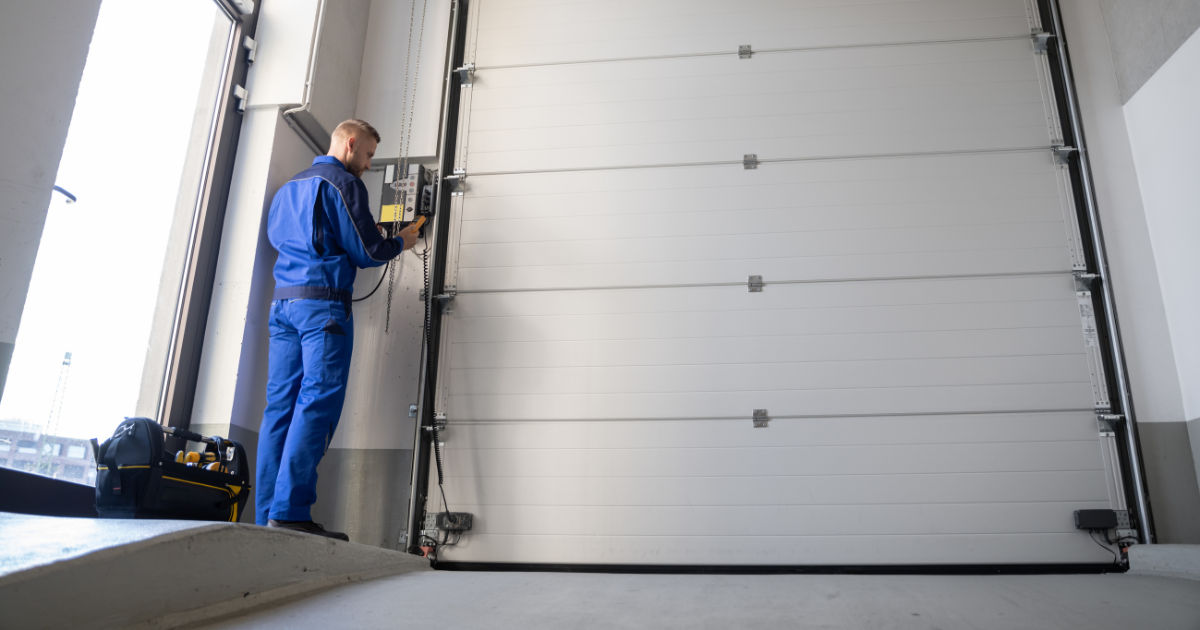
In this comprehensive guide, you will learn how long common household and mechanical parts last, how to spot wear before it becomes dangerous, and when professional help—such as specialized technicians for garage door repairs—is necessary. This article is designed for easy reading while giving you the detail and clarity you need to make smart decisions for the long-term health of your home and equipment.
Why Parts Have a Lifespan
Wear and Tear Is Unavoidable
Every moving part experiences friction, pressure, temperature changes, and environmental exposure. Over time, this leads to wear. While some parts last decades, others require attention every few years. The same logic used by technicians who specialize in garage door repairs applies to nearly every mechanical system: no matter how strong the component is, stress adds up over time.
Material Fatigue
Metal bends, rubber dries out, plastic becomes brittle, and wood warps. This natural process is called material fatigue, and it dictates how long any part can function before losing strength. In systems like garage doors, material fatigue is a primary cause of broken springs—one of the most common reasons homeowners need garage door repairs.
Misalignment and Stress
Even a brand-new component can wear out early if the surrounding parts are misaligned. For example, if a garage door track is slightly bent, it places disproportionate stress on rollers. Over time, this speeds up failure and makes garage door repairs necessary sooner than expected.
Environmental Factors
Humidity, heat, cold, dust, and corrosion all shorten the lifespan of parts. Outdoor structures, especially those exposed to changing weather, demand ongoing maintenance. It is no wonder that homeowners in extreme climates often need garage door repairs more frequently than those in mild regions.
Lifespan Expectations for Common Household Parts
Below is a breakdown of how long frequently used home components typically last, along with signs that point to immediate repair needs.
Springs, Cables, and Tensioned Components
Springs in machines—from trampolines to door mechanisms—carry heavy loads. A typical torsion spring, like those used in garages, lasts between 7–12 years depending on use. Once a spring nears failure, it becomes dangerous. That is why many technicians emphasize proactive scheduling of garage door repairs before a spring snaps unexpectedly.
Cables usually last longer, but fraying or rust indicates immediate risk. Ignoring cable damage can cause total system failure, making garage door repairs urgent rather than optional.
Mechanical Hinges and Rollers
Hinges and rollers are designed for smooth motion. Their lifespan depends heavily on lubrication and alignment. Garage door rollers, for example, can last 5–15 years, but misalignment may reduce that dramatically. Technicians who handle garage door repairs often discover that premature roller damage is caused by a lack of basic maintenance.
Electrical Motors
Motors in appliances, tools, and garage systems usually last 10–20 years if used moderately. Signs of impending failure include burning smells, slowing movement, or inconsistent operation. When applied to garage door repairs, a failing motor becomes obvious because the door may stop halfway or move unevenly.
Belts and Chains
Belt-driven and chain-driven systems require regular assessment. Belts tend to crack, while chains stretch over time. In garage doors, technicians performing garage door repairs often tighten or replace chains to prevent noisy operation and mechanical strain.
Tracks and Guide Rails
Tracks must stay straight, aligned, and free of dents. In many home systems, such as sliding doors and garage doors, bent tracks contribute to friction and instability. Homeowners often call professionals for garage door repairs when a door becomes jammed due to track misalignment.
Weather Seals and Insulation Components
Rubber and vinyl seals deteriorate faster than most components—typically lasting 3–7 years. In a garage system, worn seals not only let in dust and water but can also affect temperature control, prompting homeowners to schedule garage door repairs that include seal replacement.
How to Recognize That Parts Are Nearing End of Life
Unusual Noises
Squeaking, grinding, or popping sounds indicate friction or strain, especially in moving systems. Many owners only discover the need for garage door repairs after months of ignoring these noises.
Slower Performance
When parts age, everything becomes slower—motors, springs, hinges, and rollers. A slow-moving system almost always signals the need for maintenance or repair.
Structural Changes
Bent parts, cracked panels, warped wood, or sagging metal show that material fatigue has advanced. In garage systems, sagging doors frequently lead to necessary garage door repairs.
Increased Resistance
If a device or door becomes harder to move, parts are likely failing. Many homeowners mistakenly use more force, which leads to even greater damage and eventually more complex garage door repairs.
Visible Damage
Any cracks, rust, or fraying mean immediate action is needed. Rust is especially dangerous for high-tension parts like springs and cables. Professionals trained in garage door repairs always check for rust because it weakens essential components.
When Repairs Become Necessary
Small Problems Lead to Big Failures
The longer you wait to address minor issues, the more damage spreads. This is why homeowners dealing with seemingly small noises or alignment issues end up needing extensive garage door repairs.
Safety Concerns
Certain failing components pose serious dangers. High-tension springs, for example, can cause severe injury if they snap. Many experts recommend annual inspections, especially for systems that commonly require garage door repairs, simply to prevent dangerous accidents.
Cost Efficiency
Early repairs are usually cheaper than replacing entire systems. For example, replacing one worn roller is much cheaper than replacing the entire track system later. People who stay on top of garage door repairs spend significantly less over the long term.
The Role of Regular Maintenance
Lubrication
Regular lubrication prevents friction and extends the lifespan of parts significantly. Technicians performing garage door repairs notice that well-lubricated systems remain safer, quieter, and smoother for years longer.
Cleaning
Dust, dirt, and debris accelerate deterioration. Mechanical systems with exposed parts—like garage doors—benefit greatly from seasonal cleaning to minimize the need for garage door repairs.
Professional Inspections
Even if you maintain your equipment, trained professionals can catch issues you might miss. Many homeowners schedule yearly garage door repairs and inspections simply to confirm the safety of their system.
Alignment Checks
Misalignment is often invisible until damage is done. Regular alignment checks ensure parts operate evenly and predictably. This is especially true for overhead systems that frequently require garage door repairs.
The Lifespan of Garage Door Components (A Deeper Example)
Because the topic of garage door repairs offers such a clear example of part lifespan, here is a closer breakdown of how long each component typically lasts and when failing pieces require action.
Torsion Springs
-
Lifespan: 10,000–20,000 cycles
-
Signs of aging: gaps in coils, loud bangs, uneven lifting
-
When to repair: immediately upon loss of tension
-
Connection to garage door repairs: one of the most urgent and dangerous repairs
Extension Springs
-
Lifespan: 7–12 years
-
Signs of aging: stretching, squeaking, inconsistent movement
-
Requires professional adjustments as part of garage door repairs
Rollers
-
Plastic: 3–7 years
-
Steel: 10–20 years
-
Nylon: 12–20 years
-
A primary cause of noisy garage systems that lead to garage door repairs
Cables
-
Lifespan: up to 15 years
-
Should be replaced at the first sign of rust or fraying
-
Most cable replacements occur during scheduled garage door repairs
Tracks
-
Lifespan: 20+ years with proper maintenance
-
Bend easily if impacted
-
A bent track nearly always results in garage door repairs
When Replacement Is Better Than Repair
Age Beyond Expected Lifespan
Once a system surpasses its predicted lifespan, repairs may only offer short-term results. For example, a 30-year-old garage door system often needs more than routine garage door repairs—it may require full replacement.
Repeated Failures
If the same part breaks frequently, replacement becomes the smarter option. Many homeowners experience this with old springs or rollers, leading them to choose a complete upgrade instead of repeated garage door repairs.
Safety Upgrades
Newer systems include improved safety features. When older equipment lacks these protections, replacement is often recommended by technicians who normally perform garage door repairs.
Cost Comparison
If repairing multiple old components exceeds 50% of the cost of a new system, replacement is usually more economical. This applies strongly to systems that repeatedly need garage door repairs.
How to Extend the Lifespan of Mechanical Parts
Use Equipment Properly
Overloading, forcing, or misusing devices causes early failure.
Follow Manufacturer Guidelines
Each system comes with recommended maintenance schedules. People who follow these schedules need fewer garage door repairs and fewer appliance fixes in general.
React Quickly to Warning Signs
Do not wait for major failure. Small issues grow rapidly, especially in moving systems that commonly require garage door repairs.
Keep Components Clean and Lubricated
Friction, dirt, and moisture reduce lifespan dramatically.
Upgrade Parts When Needed
Sometimes upgrading to higher-quality materials reduces long-term costs and reduces the frequency of garage door repairs.
Conclusion
Understanding the lifespan of parts is essential for protecting your home, your equipment, and your budget. Everything you use—from appliances to vehicles to structural systems—depends on components that naturally wear down over time. By learning how long parts typically last, recognizing early signs of failure, and responding quickly when problems appear, you can avoid major breakdowns, reduce risk, and extend the life of your investments.
The example of garage door repairs demonstrates this perfectly. Springs, cables, rollers, tracks, and motors all have predictable lifespans. When homeowners stay alert to changes in performance, noise, or alignment, they can schedule timely garage door repairs that keep their system safe and efficient. Regular maintenance, proper cleaning, lubrication, and yearly inspections can significantly delay the need for major repairs or replacements.
Ultimately, whether you are managing a garage system, a household appliance, or any mechanical device, proactive care is always cheaper and safer than reactive fixes. Understanding when to consider repairs, and taking action at the right moment, will always protect your home and extend the lifespan of your essential components.