
In the world of mining, construction, and geotechnical engineering, selecting the right rock drilling tool is crucial for the success, efficiency, and safety of any project. The right tool can mean the difference between a job completed on time and within budget versus one riddled with delays and costly setbacks. Whether you’re drilling through soft limestone or hard granite, understanding the key factors that influence tool selection can significantly impact your project's performance.
1. Rock Type and Hardness
The type and hardness of the rock you're working with is the most important factor in choosing a drilling tool. Softer rocks, such as shale or limestone, require different drill bits than extremely hard materials like granite or basalt. For example, rotary drag bits may be suitable for softer formations, while percussive or rotary hammer bits are better suited for tougher terrain. A proper rock classification before drilling begins can guide the selection of the correct tool and minimize wear and tear.
2. Drilling Method
There are several drilling methods—rotary, DTH (down-the-hole), top hammer, and diamond core drilling—each requiring specific tools. Rotary drilling is commonly used for softer rock and deeper boreholes, while top hammer and DTH methods are ideal for harder rock types and shallow to medium depths. The method you choose will dictate the compatible bit and tool design.
3. Hole Diameter and Depth
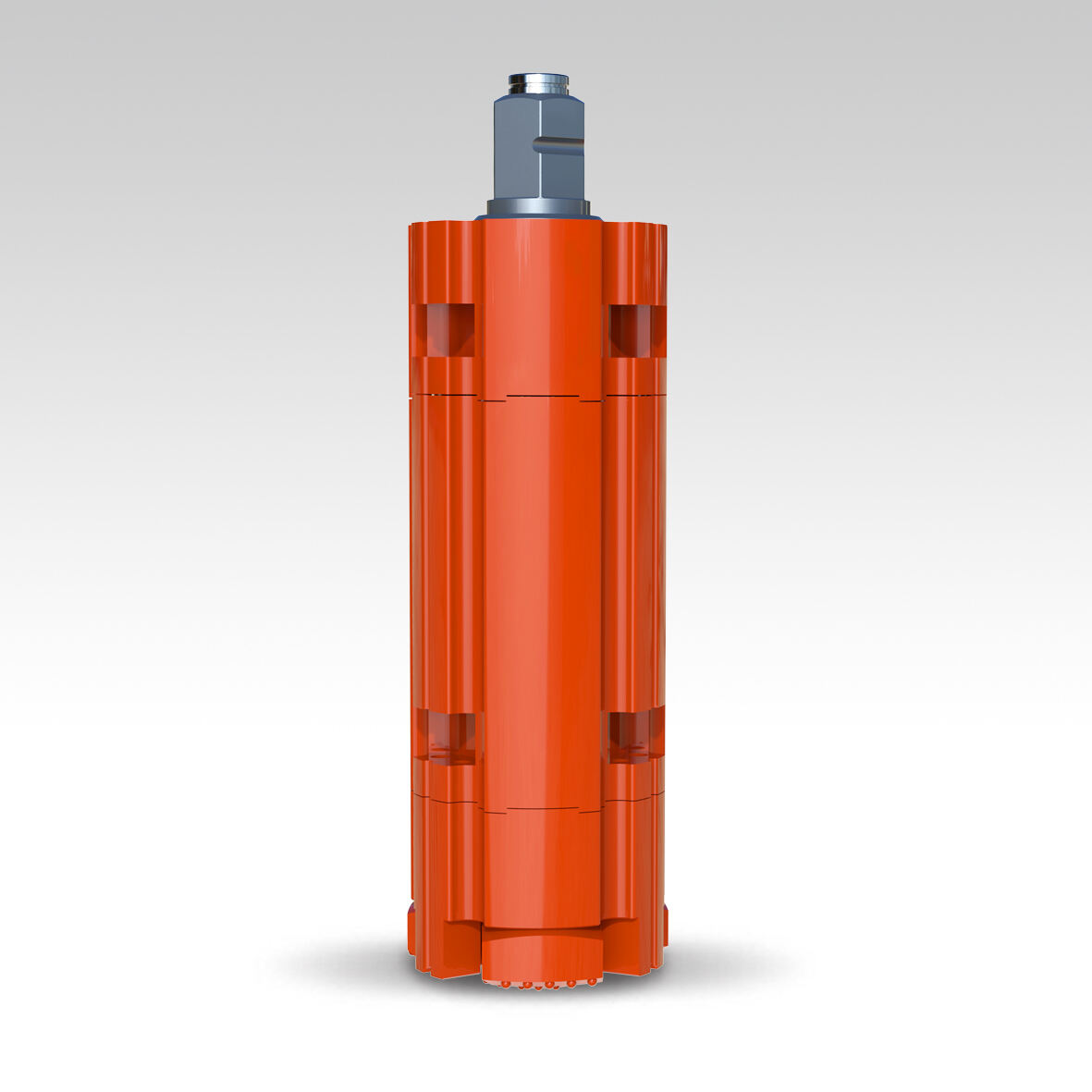
The required diameter and depth of the hole will also influence your choice of DTH Hammer tool. Larger and deeper holes generally require more robust equipment, including heavy-duty bits and drills capable of maintaining alignment and stability throughout the drilling process. For precision drilling, such as in blasting or geotechnical sampling, core bits or button bits may be necessary to maintain borehole integrity.
4. Tool Material and Design
The material and design of the drilling tool directly affect its durability and performance. Tungsten carbide is a common material for drill bit inserts due to its hardness and resistance to wear. Polycrystalline diamond compact (PDC) bits are another high-performance option, especially for highly abrasive formations. Tool design features, such as the number and shape of cutting edges or the flushing system for debris removal, can significantly impact drilling efficiency.
5. Operational Environment
Environmental conditions—like temperature, moisture, and the presence of abrasive particles—can all impact tool performance. In wet or muddy conditions, specialized bits with effective flushing systems can help maintain productivity. Similarly, in high-temperature operations, heat-resistant materials are essential to prevent premature wear or tool failure.
6. Cost and Availability
While performance is critical, cost-effectiveness is also a major consideration. High-end tools may offer superior performance and lifespan, but may not be economically viable for every project. Assessing tool availability, replacement part access, and maintenance requirements can help you find a balanced option that fits your budget without compromising quality.
Final Thoughts
Choosing the right rock drilling tool involves a careful assessment of geological conditions, project requirements, and cost considerations. Consulting with manufacturers or drilling experts can provide further insights into the best tools for specific applications. By selecting the right equipment, you’ll enhance drilling efficiency, reduce downtime, and ensure your project stays on track.